

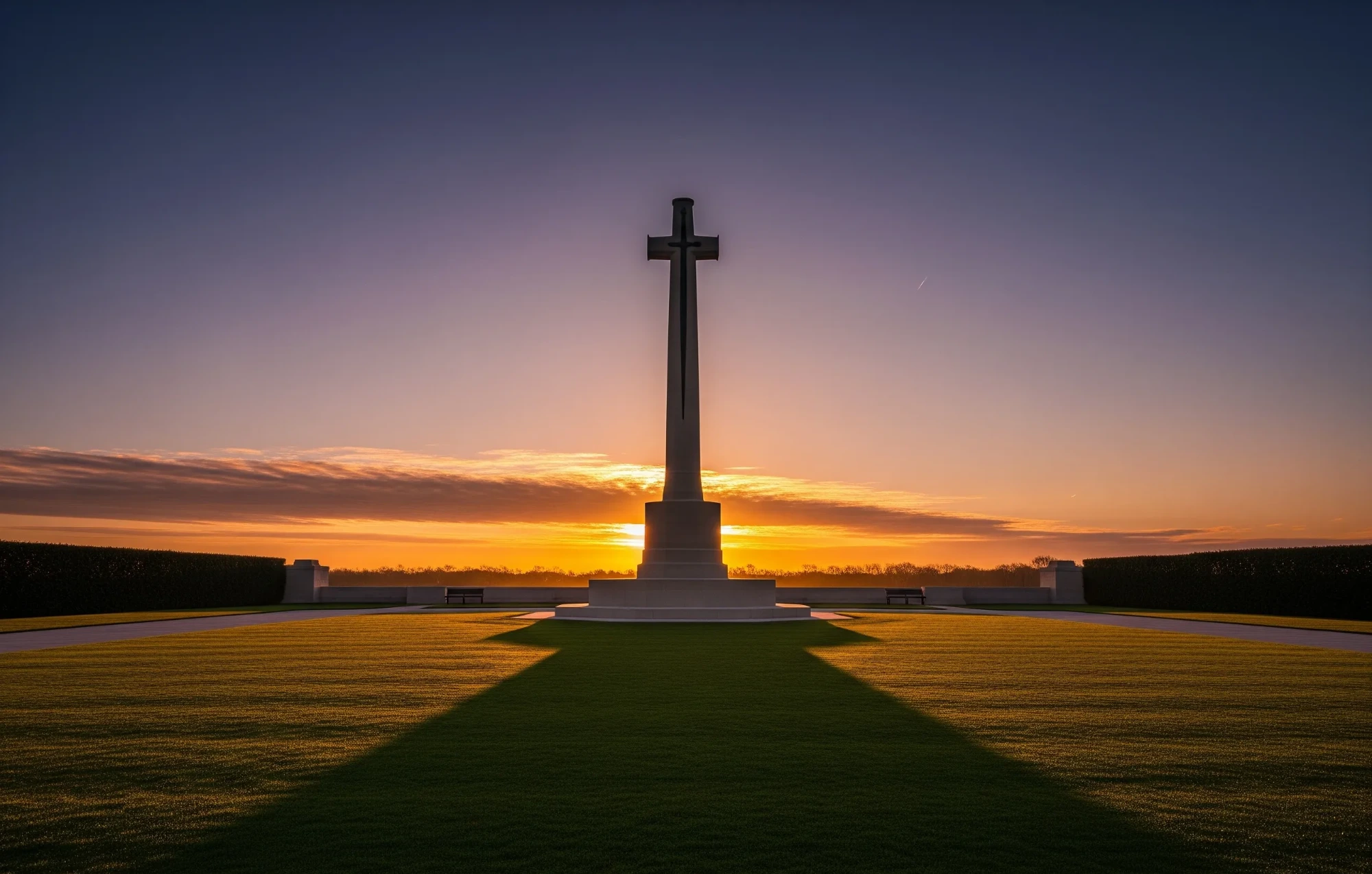
Across towns, villages and cities in Britain, war memorials stand quietly in churchyards, squares and greens. They are places where names are remembered, wreaths are laid, and generations reflect on sacrifice. More than stones, they are community landmarks that carry both history and meaning.
At Quince Memorials, we have been privileged to work with many of these significant structures. Whether designing new memorials or carefully restoring existing ones, we have seen how style, material and careful conservation play a role in ensuring these monuments endure. This blog offers a guide to the choices and considerations behind war memorials services.
The Many Styles of War Memorials
War memorials are as varied as the communities they belong to. Some are simple, others imposing, but all are created to honour service and sacrifice.
One of the most recognisable forms is the stone cross, often standing tall in churchyards or village centres. Their simplicity carries great weight and a universal Christian symbolism. Another common design is the obelisk or column. These elegant vertical forms draw the eye upward, representing hope, eternity and remembrance.
More elaborate war memorials include statues or sculpted figures, often of soldiers in uniform or allegorical representations such as peace or victory. These require skilled craftsmanship, but create a striking presence and strong emotional resonance.
In other settings, memorials are more modest. Plaques and tablets, set into walls or mounted in halls, record names in a dignified but less imposing form. Some communities have also chosen garden or landscape memorials—from dedicated benches and gates to tree avenues that offer space for quiet reflection.
What unites these styles is not size or grandeur, but the role they play in providing a focal point for remembrance.
Choosing the Right Materials
The material of war memorials does more than shape their appearance. It determines durability, maintenance needs and how well inscriptions remain legible over time.
Granite is one of the most popular choices. It is hard, long-lasting and available in many colours, from light grey to rich black. It resists weathering exceptionally well, which makes it suitable for exposed locations.
Limestone and sandstone, by contrast, have a softer character. They are easier to carve and have a traditional, local feel, but they are also more porous. Over time, they can suffer from erosion and biological growth, which means they may require more attentive care.
Other options include Yorkstone, Portland stone, Nabresina and Carrara white marble, each with its own texture and finish.
At Quince Memorials, we work with all of these materials. We also follow the standards set by the National Association of Memorial Masons to ensure memorials are not only beautiful but also safely and securely installed.
Suggested read: Granite and Marble Fabricators: Understanding the Differences
Caring for War Memorials
A war memorial is not simply a monument—it is a heritage asset. Many are listed, which means they are protected by law, and all hold a deep sense of communal importance. Conservation must therefore be approached with care.
The first step is always understanding the memorial’s condition. What type of stone has been used? How has it weathered? Are inscriptions still legible? Once the materials are understood, a sensitive plan for care can be developed.
The golden rule is minimal intervention. Memorials do not need to look new; they need to look respected. Cleaning should be gentle, avoiding harsh chemicals or abrasive tools that may cause lasting damage. Inscriptions may sometimes be re-painted or re-gilded to ensure names remain visible, but replacement should only be considered when absolutely necessary.
Where repairs are required, it is important to use materials and methods in keeping with the original. Matching stone, compatible mortar and traditional fixings all help the memorial retain its authenticity.
Finally, regular maintenance is key. A memorial that is gently cleaned every few years, inspected for cracks or movement, and kept free of invasive plant growth will remain in good condition for much longer.
At Quince Memorials, we have supported many local communities with cleaning, renovation, and re-inscription work. We are careful to respect the heritage of each memorial while ensuring it continues to serve its purpose for future generations.
Why Conservation Matters
Conserving war memorials is not just about protecting the stones. It is about safeguarding memory. Each name carved into a tablet represents a story, a family and a sacrifice. If those names fade or are lost, the connection between present and past weakens.
By investing in proper conservation, communities affirm that remembrance is still relevant today. Children see the same names their great-grandparents once read on Armistice Day. Visitors learn about the lives behind the lists. Local heritage is kept alive.
Frequently Asked Questions
How often should a war memorial be cleaned or inspected?
An inspection every one to two years is recommended. Cleaning intervals vary depending on the environment, but gentle cleaning is usually needed every few years.
Can new names be added to existing war memorials?
Yes. Additional inscriptions can be added, provided they match the existing style and finish. If the memorial is listed, permissions may be required before work is carried out.
Do I need permission to restore a war memorial?
If the memorial is listed or within a conservation area, consent from the local authority may be required. It is best to seek advice before beginning work.
Closing Thoughts: A Lasting Legacy
War memorials are not relics of the past—they remain living parts of community life. They remind us of courage and sacrifice while providing a place for present and future generations to reflect.
At Quince Memorials, we are proud to help families, parishes and councils ensure their memorials remain worthy tributes, both now and in the years to come. Contact our expert team now! You can call 01767 314419 or email sales@quincememorials.co.uk for your enquiries.